
Exploring the intriguing history and reputation of gambling through the ages
The Origins of Gambling
The history of gambling can be traced back thousands of years, with evidence suggesting that it originated in ancient civilizations such as Mesopotamia and China. In these early societies, games of chance were often tied to religious practices and beliefs, with dice made from bone or wood used for divination purposes. As these cultures evolved, so too did their approach to games of chance, leading to the development of betting and wagering as forms of entertainment. Today, many experienced players enjoy visiting platforms where they can play online australian pokies and engage with modern adaptations of these classic games.
The ancient Romans also played a significant role in shaping the landscape of gambling. They introduced various games and betting activities, from chariot races to gladiatorial contests. The popularity of these events laid the groundwork for more organized forms of gambling, which continued to evolve throughout the Middle Ages. During this time, the establishment of gaming houses became common, allowing people to gather and partake in various betting activities.

The Evolution of Gambling Through the Ages
The Renaissance period marked a significant turning point in the history of gambling. The invention of playing cards in the 14th century introduced a new dimension to betting games, and by the 17th century, gambling houses began to emerge across Europe. These establishments offered a range of games, such as poker and baccarat, appealing to the elite and creating a burgeoning gambling culture. This evolution continued into the 19th century with the establishment of casinos, which provided a lavish and regulated environment for gambling.
As gambling spread to other parts of the world, it began to take on various forms. The introduction of lotteries in the 16th and 17th centuries allowed governments to raise funds for public projects while simultaneously engaging the public’s interest in games of chance. This period solidified the reputation of gambling as not only a form of entertainment but also a means of social interaction and community engagement.
The Modern Perception of Gambling
In the contemporary era, gambling has undergone significant changes, particularly with the rise of technology. The advent of the internet has transformed how people engage with games of chance, leading to the proliferation of online casinos and betting platforms. This shift has made gambling more accessible to a wider audience, attracting both casual players and seasoned gamblers alike. However, this increased accessibility has also sparked debates about the potential risks associated with gambling, including addiction and financial issues.
Today, gambling is often viewed through a dual lens of entertainment and risk. While many people enjoy gambling as a leisure activity, there is a growing recognition of the need for responsible gambling practices. This has led to the implementation of regulations and support systems aimed at protecting players from the negative impacts of excessive gambling, fostering a more sustainable environment for the industry.
The Role of Online Casinos in Today’s Gambling Landscape
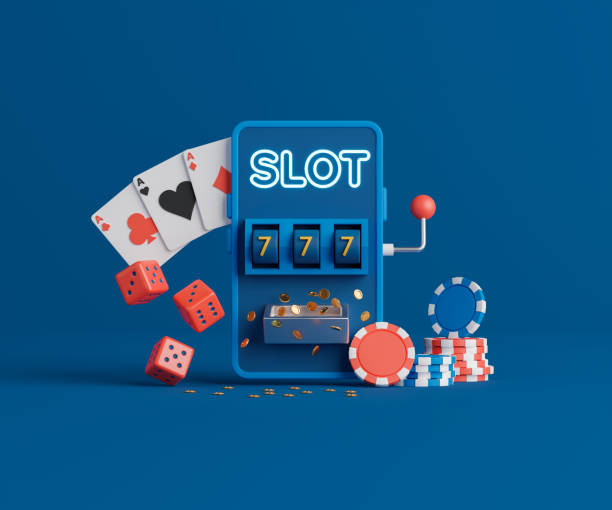
As gambling continues to evolve, online casinos have emerged as a significant player in the industry. They offer a vast array of gaming options, from traditional table games to innovative slots, all accessible from the comfort of one’s home. This convenience has attracted a diverse range of players, particularly in regions where land-based casinos are limited or heavily regulated. The competitive nature of the online market has also led to lucrative bonuses and promotions, enhancing the overall gambling experience.
In addition to offering exciting gameplay, many online casinos prioritize player safety and security. With advancements in technology, these platforms implement robust encryption and secure payment methods, ensuring that personal and financial information is protected. Furthermore, they provide resources for responsible gambling, allowing players to set limits and access support if needed. This commitment to safety and player well-being is crucial for maintaining trust and a positive reputation within the gambling community.